
5 Windshield Wiper Linkage Problems and How to Fix Them
Most people don’t notice wiper issues until they start causing real trouble. Poorly working wipers can spread water instead of clearing it, making visibility poor in heavy rain. This can feel risky in heavy traffic during bad weather conditions. That’s why it’s important to understand common windshield wiper linkage problems and their causes early.
In this blog, we will explain simple issues and share easy solutions. You will also learn how to fix windshield wipers and improve their performance quickly.
When Do We Replace the Windshield Wiper?
After some time, wipers lose flexibility and stop cleaning well. This often happens when the car stays in strong sunlight, which makes the rubber hard and cracked. Wipers may also make noise due to friction with the glass. Instead of cleaning, they leave water streaks behind. In this case, check the rubber blade. If it is damaged, replace it during the repair process.
Key Components of the Linkage System
If one part becomes loose or damaged, the entire system may stop working properly.
5 Frequently Occurred Windshield Wiper Problems
Let’s look at some common wiper issues and simple solutions. These tips help you keep clear visibility in all weather conditions.
1. Water Smearing on Both Sides
This happens due to dirty or worn blades, bad wiper fluid, or a dirty windshield. Clean the glass and blades with soapy water. Then wipe with rubbing alcohol. If the issue stays, replace the fluid or blades.
2. Water Smearing in Cold Weather
In cold weather, wipers often leave streaks. If it’s not cold, the blades may be old or the wrong size. They may also be dirty or stuck. In this case, replacing the blades is the best fix.
3. Blades are off the rhythm
Sometimes the wipers do not move together properly. This can be due to a loose arm or damaged linkage. Tighten the parts or repair the linkage if needed.
4. Loud Grinding or Crushing Noise
A tight or misaligned blade arm can cause noise. It may also affect the motor gears. This issue should not be ignored, as it can damage the motor over time.
5. Chattering noise appears
This usually happens due to dirt, grease, or wax on the glass. Clean both the windshield and blades properly. A bent arm can also cause this problem and should be adjusted.
How to Repair Windshield Wipers
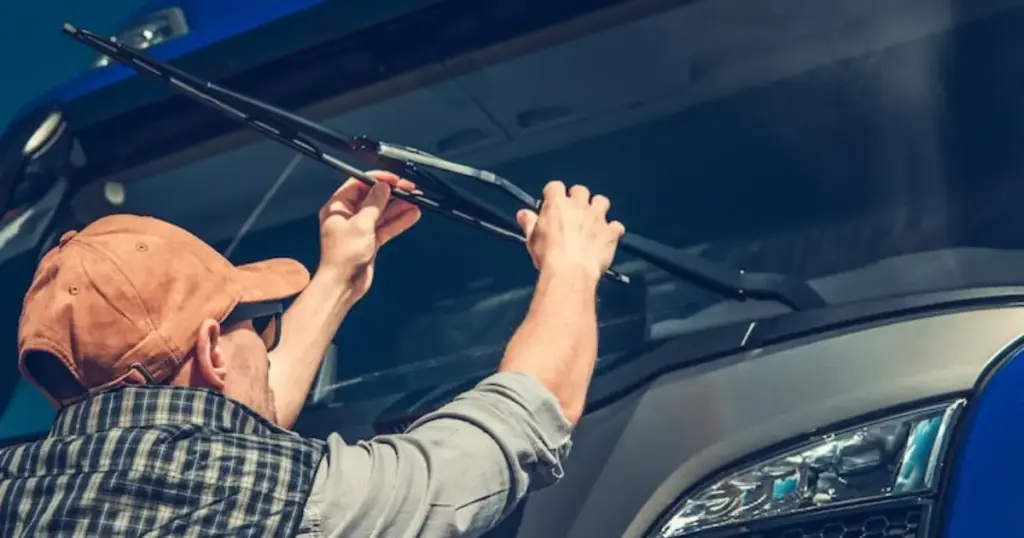
Learning how to repair windshield wiper linkage problems can save time and repair costs. Some small issues can be fixed at home with basic tools.
Inspect the Wiper Arms
Lift the hood and check if the wiper arms are loose. Tighten any visible nuts or screws carefully.
Check the linkage bushings
The windshield wiper linkage bushings connect different linkage parts. If they look cracked or loose, replace them immediately.
Clean Dirt and Rust
Dust and rust can affect movement. Use a clean cloth and lubricant to clean the joints and moving parts.
Test the Wiper Motor
Turn on the wipers and listen carefully. If the motor runs but the blades do not move, the linkage may be disconnected.
How to Fix Windshield Wiper Linkage at Home
If you want to know how to fix windshield wiper linkage issues without visiting a mechanic, start with a simple inspection.
You may only need to:
However, if the windshield wiper transmission linkage is bent or completely broken, replacement is usually the best option.
How Small Linkage Components Affect Wiper Performance
Bushings are small but important parts of the linkage system. They reduce friction and help the linkage move smoothly.
Over time, heat, dust, and moisture can damage the bushings. When they wear out, the linkage becomes loose and creates noise or uneven movement.
Replacing worn bushings early can prevent major linkage damage and improve wiper performance.
Tips to Keep Your Wiper Linkage
Regular maintenance helps extend the life of your wiper system.
Follow These Simple Tips
These small steps can protect your windshield wiper linkage and reduce repair costs.
Conclusion
Windshield wiper problems may seem minor, but they can quickly become dangerous during bad weather. A faulty windshield wiper linkage can reduce visibility and affect safe driving.
Understanding how to repair windshield wiper linkage issues helps you identify problems early and keep the system working smoothly. Whether it is worn windshield wiper linkage bushings or a damaged windshield wiper transmission linkage, regular inspection and maintenance can prevent bigger issues in the future.
Frequently Asked Questions
Can I repair a broken wiper linkage, or should I replace it?
It depends on the extent of the damage. Sometimes, a minor adjustment can repair the problem, but any damage that is severe or weakens its integrity should be replaced.
Do I need any special tools to fix my windshield wipers?
Tools required vary depending on the problem. You might need a puller for wiper arms, but most situations require only common tools around the garage.
Are there any safety precautions I should take when working on my wipers?
Disconnect your car battery if you’re working on electrical parts, and always take caution to prevent wiper arms from snapping down against the windshield, especially without a blade on.
Why do windshield wipers stop moving properly?
Windshield wipers may stop moving due to a damaged linkage, worn bushings, a faulty motor, or loose connections in the wiper system.
How do I know if my wiper linkage is damaged?
Common signs include uneven wiper movement, grinding noises, slow operation, or one wiper stopping while the other still works.