
Roadworthy Checklist for Victoria & QLD (2026 Guide)
A roadworthy checklist helps you pass your inspection the first time. Skip the prep, and you might fail on something small. Then you pay for a re-test. You need a valid roadworthy certificate before you can sell your car, transfer rego, or put an old vehicle back on the road.
Most cars fail on small, fixable stuff. A blown bulb. A tyre just under the legal tread. A chip in the windshield. A 20-minute self-check using this roadworthy inspection checklist can save you the fee and another trip to the workshop.
Why a Roadworthy Certificate Exists
A roadworthy certificate is a safety check. It keeps dangerous cars off the road. In Queensland, it’s called a Safety Certificate. In Victoria, it’s called an RWC. Same idea, different names. An approved inspector checks your brakes, steering, suspension, lights, tyres, body, and electrical systems. Anything unsafe gets flagged.
It’s not a service. It’s not a tune-up. It’s a pass-or-fail audit. Knowing what they check puts you ahead.
What an Inspector Actually Checks
If you’ve searched “roadworthy certificate near me” and booked the first result, you might not know what’s coming. Here’s the full breakdown for both VIC and QLD inspections.
Brakes
The inspector checks your pads, rotors, drums, and brake fluid.
If your brakes squeal or feel soft, fix them before you book. Brakes are rarely cheap, but they’re a guaranteed failure.
Tyres
Tyres get checked for tread depth, uneven wear, cracks, bulges, and inflation. The legal minimum tread is 1.5 mm. Go below that, and you’ll fail on the spot.
Quick check at home: push a 20-cent coin into the tread. If the platypus’s bill is showing, you’re close to the limit.
Wheels and Rims
The inspector looks for cracks, bends, and accident damage. Your wheels must be the right fit for your car. Alignment matters too. If your car pulls to one side, get it checked.
Windscreen and Windows
A cracked windshield is one of the most common roadworthy failures in Victoria and QLD. Here’s what the inspector looks for:
If your wipers drag or skip, swap the blades. It’s a $30 fix that can save you $200.
Seats, Seatbelts, and Restraints
Seatbelts must lock under load. They must retract cleanly. Damaged webbing, slow retraction, or a faulty buckle will fail you.
If you have a child restraint, the anchorage points get checked too.
Lights and Indicators
Every bulb matters. Headlights, taillights, brake lights, indicators, reversing lights, hazards, and number plate lights all have to work.
One blown bulb can fail your roadworthiness. Walk around the car with a friend and test every light. It takes five minutes.
Chassis and Body
The inspector checks for rust in structural sections. They also look at accident damage and unsafe modifications. Cosmetic dents won’t fail you. Structural rust will.
Exhaust System
The inspector checks for leaks, rust holes, smoke, and noise levels. The catalytic converter must work too. If your exhaust is loud or smoking, expect questions.
Electrical System
The battery, charging system, horn, and dashboard warning lights all get tested. A silent horn or a warning light stuck on the dash can fail you on its own.
Fuel System
Fuel lines, the tank, and connections are checked for leaks and cracks. Anything that could leak fuel is an instant fail.
The Most Common Roadworthy Fail Points
Wherever you are in Australia, these are the issues that fail most cars on the day:
| Issue | Why It Fails |
|---|---|
| Worn tyre tread | Below 1.5mm legal minimum |
| Cracked windscreen | Blocks the driver’s view |
| Thin brake pads | Can’t stop the car in time |
| Blown indicator or brake light | Visibility and signal failure |
| Leaking shock absorbers | Poor handling and control |
| Damaged seatbelts | Occupant safety failure |
Six items. Spend an afternoon checking them. You’ll save at least one re-inspection fee.
How to Prepare for a Roadworthy Certificate
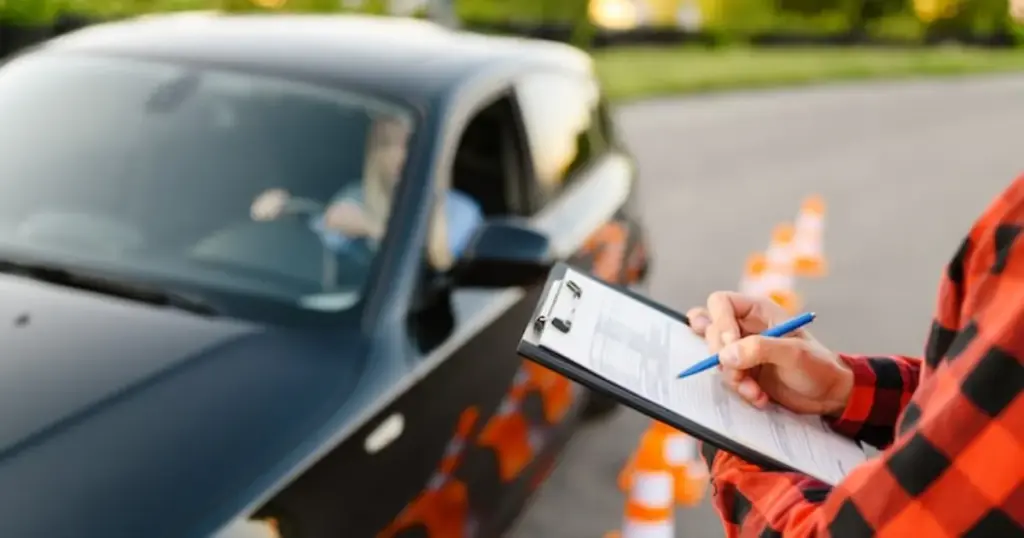
Walk in prepared, and you’ll pass the first time. Walk in hoping the inspector misses something, and you’ll be back in two weeks.
Here’s what to do.
- Fix the obvious stuff first. Brakes, lights, tyres, and wipers are the easiest wins. Test every bulb. It takes ten minutes.
- Stay on top of servicing. A well-serviced car rarely fails a roadworthiness test. Regular oil changes, brake checks, and fluid top-ups keep things ready year-round.
- Clean the car. A clean car shows you care. Wash the outside. Clear the rubbish from inside. Wipe down the engine bay if it’s caked in grime.
- Check all the fluids. Engine oil. Brake fluid. Coolant. Windscreen washer fluid. Low or dirty fluids are a quick, avoidable fail.
- Know how to check the roadworthy certificate online. Once your certificate is issued, both VicRoads (VIC) and TMR (QLD) let you verify it online. Ask your inspector for the link when you book.
The Cost of a Roadworthy Certificate
In Queensland, a roadworthy certificate usually costs $80 to $150 for a standard car. Victoria prices sit in the same range. Older or modified vehicles cost more.
Get two or three quotes before you book. Rates aren’t fixed. The cheapest and most expensive station in your suburb can differ by $60 or more.
Don’t want to drive to a workshop? Try a mobile roadworthy certificate service. They come to your home or workplace. Most offer same-day bookings, which helps if you’re trying to close a sale fast.
The Bottom Line
A roadworthy checklist isn’t just paperwork. It’s a real safety check. It protects you, your passengers, and everyone else on the road.
Whether you’re using the roadworthy checklist for Victoria or following the car roadworthy checklist QLD requirements, preparation work is everything.
Run through this list. Fix the easy stuff. Book your inspection knowing the car will pass.
A few hours now saves you a re-inspection fee and a second trip on a Saturday.
Frequently Asked Questions
How long does a roadworthy certificate last in QLD?
For private sellers, two months or 2,000 km. Whichever comes first. It’s valid for one transfer only.
Is a safety certificate the same as a roadworthy certificate in QLD?
Yes. Same document, different names. “Safety Certificate” is the official Queensland term. “Roadworthy certificate” is what most people say. In Victoria, it’s called an RWC.
What happens if my car fails the inspection?
You’ll get a written report listing what to fix. You have 14 days to repair the issues and return to the same station for a cheaper re-inspection. Wait longer than 14 days and you’ll pay the full fee again.
Do motorcycles and trailers need one too?
Yes. Motorcycles, trailers, caravans, and vehicles under 4,500 kg GVM all need a safety certificate when sold or re-registered.
Can I sell my car without a roadworthy certificate in QLD?
You can advertise it. But you can’t transfer ownership until it’s issued. The only exception is selling to a licensed motor dealer. They handle it differently.