
Best Adhesive Removers for Cars, Glass, Plastic and Wood
Sticky residue is one of those problems that look simple until they aren’t. A label peeled halfway, tape marks left on a canvas frame, dried glue on a metal tool, or sticker residue smeared across a freshly painted surface. In every case, the solution comes down to one decision. Choosing the best adhesive remover for that specific material.
This guide breaks down exactly what works, what doesn’t, and why across every common surface an artist, crafter, or everyday user is likely to encounter.
Why Sticky Residue and Glue Are So Hard to Remove
Adhesives are engineered to bond firmly. They use synthetic resins that grip tight under heat and pressure. Glues like super glue, rubber cement, and epoxy go even further. They create chemical bonds that standard cleaners simply can’t break.
That’s why random scrubbing rarely works. The wrong product on the wrong surface can scratch, cloud, strip paint, or permanently warp the finish underneath. Matching the remover to the material and the glue type is what separates a clean result from a ruined one.
Top Products Ranked as Adhesive Removers
1. Goo Gone Original
Goo Gone remains the gold standard for everyday adhesive removal. Its citrus-powered formula removes stickers, labels, decals, tape residue, crayon marks, gum, glue, and even permanent marker stains from most hard, non-porous surfaces.
Apply it directly to the residue, let it sit for one to three minutes, then wipe clean with a cloth. It’s safe on glass, metal, wood, carpet, and clothing. making it the most versatile single product on this list.
2. 3M General Purpose Adhesive Cleaner
For automotive surfaces, 3M Adhesive Remover is the professional standard. It works by dissolving the glue rather than the surface film, making it ideal for removing residue left behind after decals, paint protection film, and bumper stickers.
3. Isopropyl Alcohol Remover
Isopropyl alcohol is the most affordable and versatile option on this list. At 70–99% concentration, it works fast on residue from paper and vinyl stickers on glass, metal, and hard plastic with low odor and safety for most finishes.
4. un-du Original Formula Remover
Un-Du is a specialty solvent remover built for delicate surfaces. It’s safe on plastic, glass, metal, paper, walls, carpet, most furniture, and most clothing and comes with an attached scraper so no additional tool is needed.
How to Remove Glue from Different Surfaces
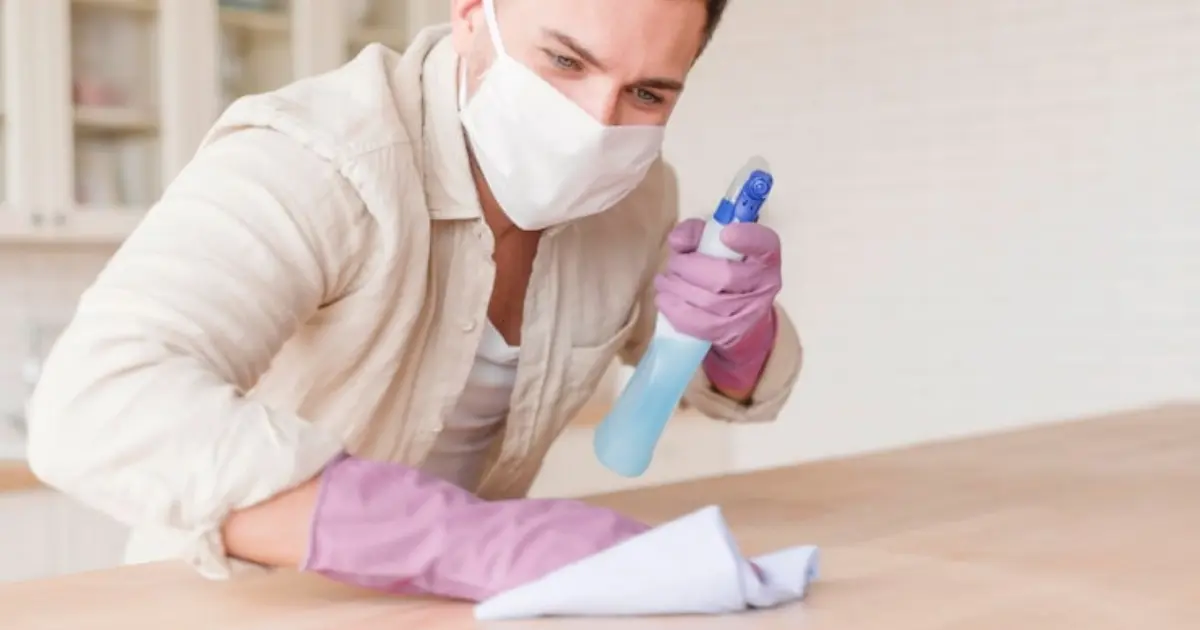
Glue behaves differently depending on where it lands. Here’s what works for each surface.
Glue on Glass
Glass tolerates strong solvents well. Acetone or rubbing alcohol applied with a cotton swab dissolves most glues, including super glue, quickly and cleanly. Goo Gone works for lighter glue residue. A plastic scraper helps lift bulk dried glue before applying any solvent.
Glue on Plastic
Plastic is the trickiest surface for glue removal. Acetone must be avoided on most plastics. It melts and clouds the surface permanently. Start with warm soapy water, then try isopropyl alcohol or Goo Gone for tougher glue. Test any product on a hidden spot first.
Glue on Metal
Metal handles stronger solvents without damage. Isopropyl alcohol or acetone both dissolve glue on metal surfaces effectively. WD-40 is a useful first step for loosening dried glue before wiping away. Always rinse with a clean cloth after removing the glue.
Glue on Wood
Wood needs the gentlest approach. White vinegar or lemon oil applied on a paper towel and left for five minutes softens most glue residue without harming the finish. For tougher glue, rubbing alcohol works, but test on a hidden area first since it can affect certain wood stains and varnishes.
Glue on Fabric
Fresh glue on fabric should be allowed to dry fully before removal. Picking at wet glue spreads it further. Once dry, carefully peel away as much as possible, then treat the residue with rubbing alcohol or a commercial stain remover. Launder on a gentle cycle afterward.
Best Adhesive Remover for Car Paint What to Use and What to Avoid
The best adhesive remover for car paint must dissolve residue without stripping the clear coat underneath. This eliminates most heavy solvents immediately. 3M Adhesive Remover, isopropyl alcohol (70%), Goo Gone Automotive, acetone, nail polish remover, bleach, undiluted vinegar on paint
For bumper sticker removal, heat the area with a hair dryer first to soften the adhesive, then apply your chosen remover with a microfiber cloth in gentle circular motions. Finish with car wax to restore surface protection and shine.
Quick Reference Adhesive Remover by Surface
| Surface | Best Method | Safe Alternative |
| Glass | Rubbing alcohol / Acetone | White vinegar |
| Plastic | White vinegar / Coconut oil | Warm soapy water |
| Metal | Isopropyl alcohol | WD-40 |
| Wood | Lemon oil / White vinegar | Damp cloth |
| Car Paint | WD-40 / Isopropyl alcohol | Vinegar solution |
| Fabric | Commercial stain remover | Rubbing alcohol |
Conclusion
There’s no single best adhesive remover that works for every situation. The smartest move is matching your method to your material. Rubbing alcohol for metal and glass, vinegar or oil for plastic and wood, and WD-40 or isopropyl alcohol as the adhesive remover for car paint.
Work patiently, test before you treat, and you’ll remove even the most stubborn residue without damaging the surface underneath.
Frequently Asked Questions
What is the safest way to remove adhesive from a car windshield?
Use a razor blade at a low angle to lift the bulk of the residue, then follow with Goo Gone or rubbing alcohol on a soft cloth. Finish with an automotive glass cleaner for a streak-free result.
Does WD-40 work as an adhesive remover on cars?
It loosens adhesive effectively but always leaves an oily residue behind. If you use it, follow up immediately with a proper automotive cleaner and rinse the area thoroughly.
How do I remove bumper sticker residue without damaging paint?
Heat the area with a hair dryer first, then apply Goo Gone Automotive or isopropyl alcohol. Wipe gently with a microfiber cloth and finish with car wax to reseal the paint surface.
Can adhesive remover damage my car's clear coat?
Yes, the wrong product absolutely can. Acetone and strong solvents strip the clear coat fast. Always use citrus-based or alcohol-based removers specifically labeled safe for automotive paint.
What is the best adhesive remover for car paint?
Isopropyl alcohol (70%) and 3M adhesive removers are both safe and effective choices. Always apply with a microfiber cloth and test on a hidden area first to avoid paint damage.